- Language
- Home
- About Us
- Products
- Products
- Case Study
- Case Study
- News
- News
- Contact Us
Hot Key:Mini ExcavatorSkid Steer Loader
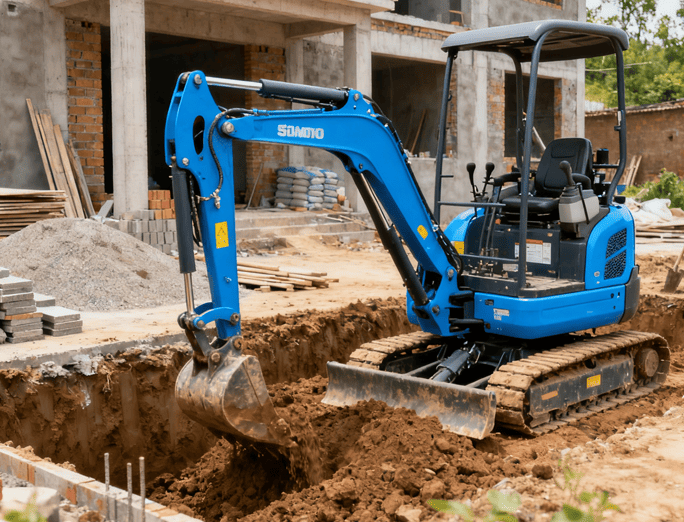
In the world of construction, landscaping, and utility work, few machines offer the perfect blend of power, precision, and accessibility quite like the mini excavator. Often weighing between 1 and 8 tons, these compact diggers have revolutionized small-to-medium-scale projects where traditional full-size excavators would be overkill—or simply unable to fit.
A mini excavator (also called a compact excavator) is defined by its operating weight and physical footprint. The most popular classes are:
Micro excavators: under 2 tons (can often fit through a standard doorway)
Mini excavators: 2–6 tons (the “sweet spot” for most contractors)
Midi excavators: 6–10 tons (still considered compact in many regions)
Unlike their larger cousins, mini excavators typically feature:
Zero or minimal tail swing (the upper body barely protrudes beyond the tracks when rotating)
Rubber tracks that cause minimal ground damage
Adjustable track width on some models for tight access
A wide range of quick-attach tools: buckets, augers, breakers, grapples, thumbs, compactors, etc.
Mini excavators shine in scenarios where space, surface sensitivity, or budget is a concern:
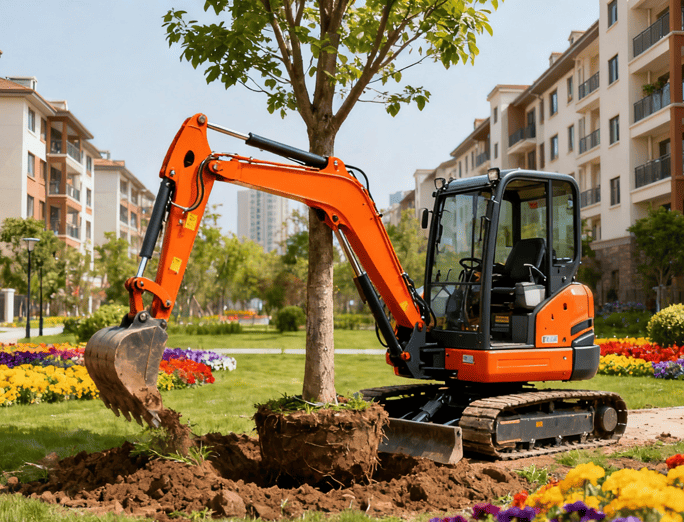
Residential landscaping – Trenching for irrigation, digging ponds, tree stump removal
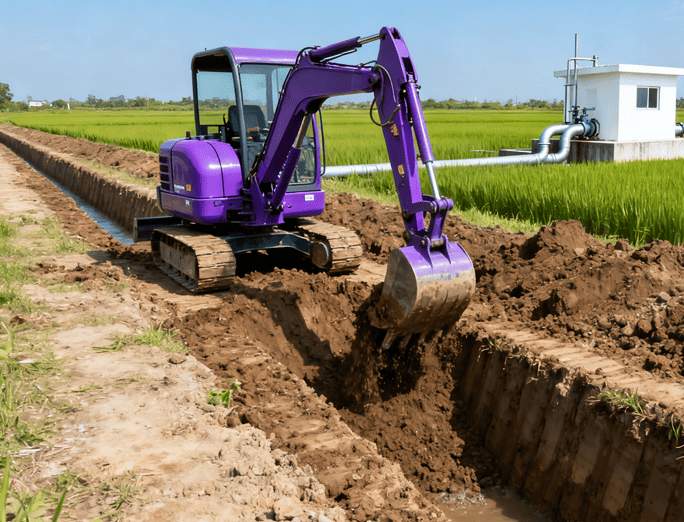
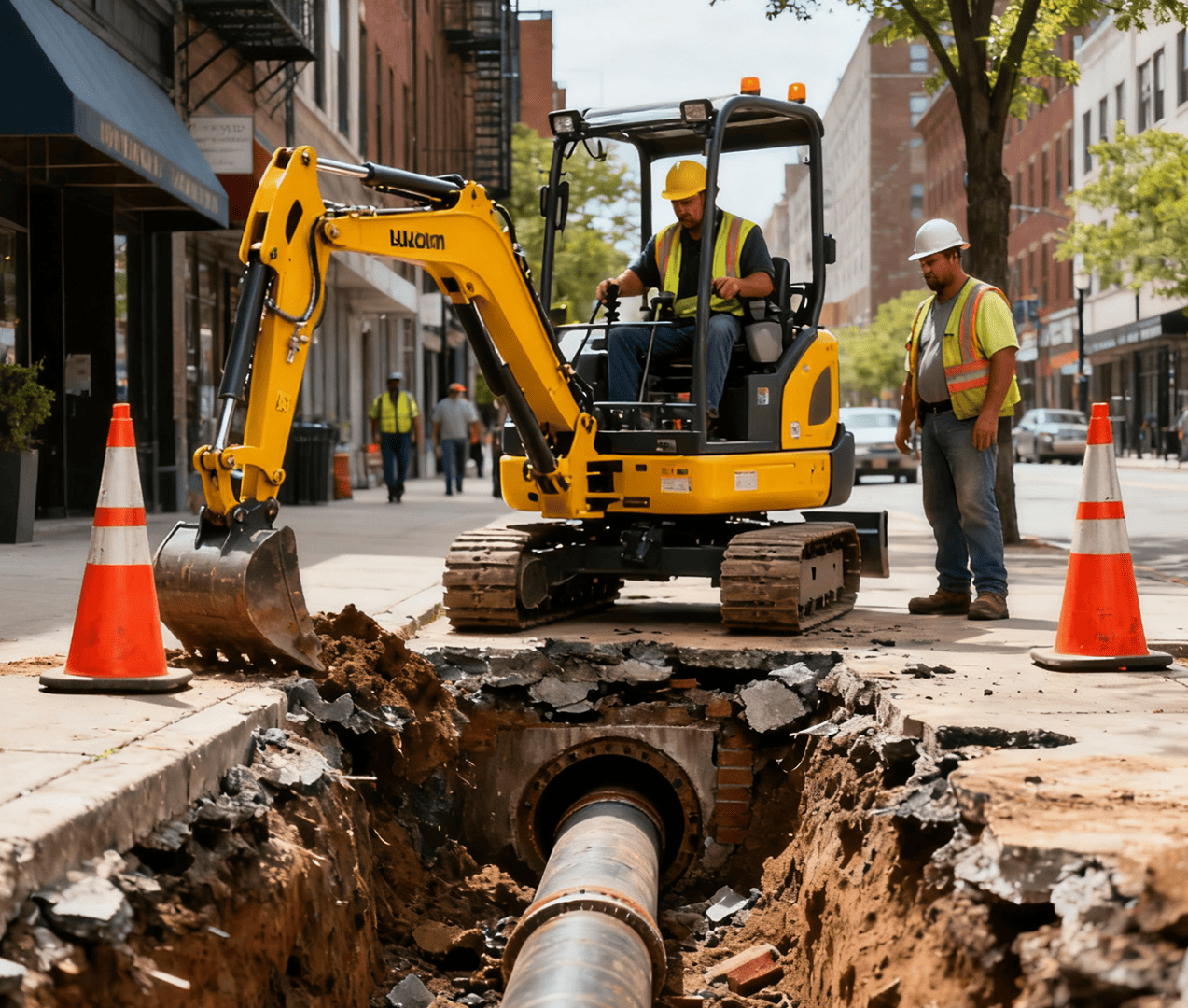
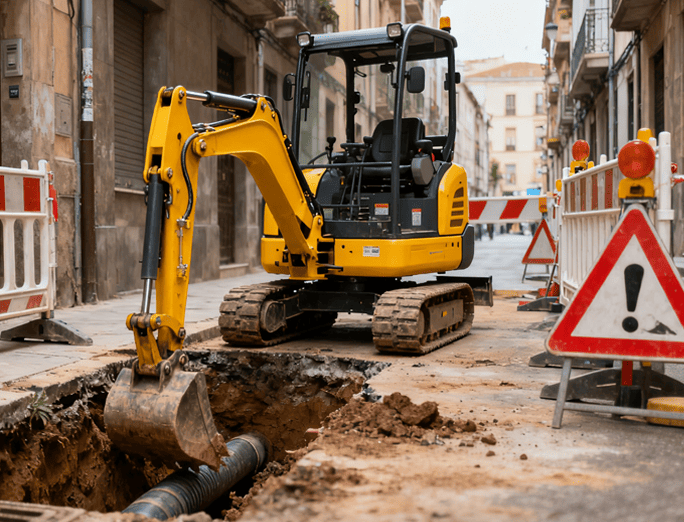
Utility installation – Water, sewer, electrical, and fiber optic lines in urban areas
Indoor demolition – Many micro models run on electric power or low-emission engines
Pool construction – Precise digging in confined backyards
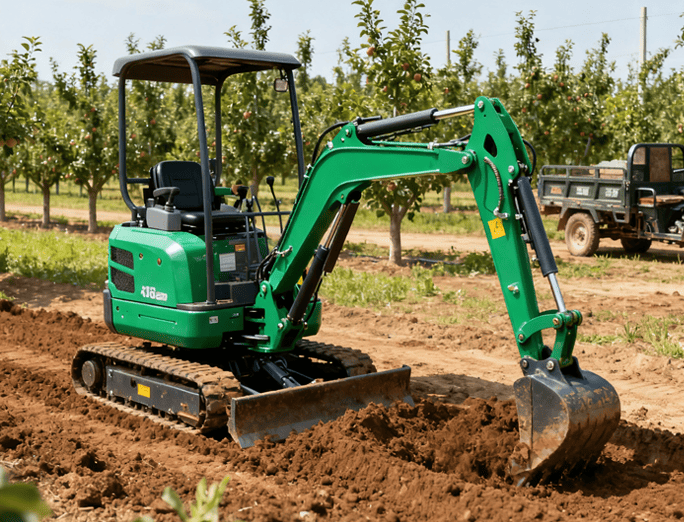
Farm and rural maintenance – Cleaning ditches, post-hole digging, material handling
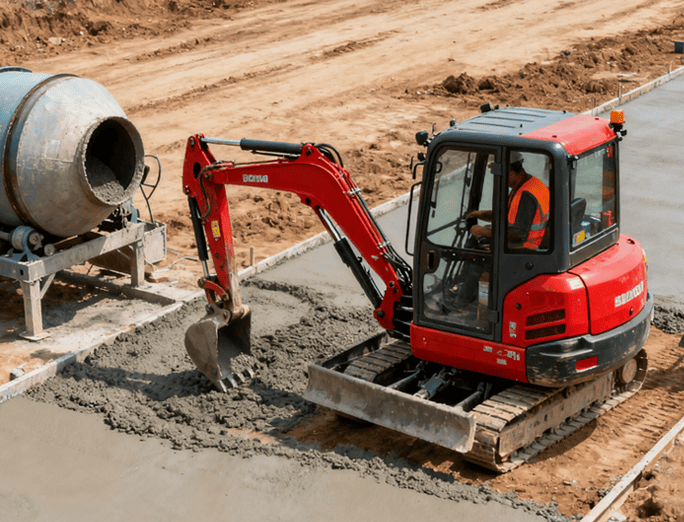
Urban construction – Working inside buildings or between existing structures
Maneuverability: Can spin 360° in spaces as narrow as 1.5 meters
Lower transport cost: Most models fit on a standard trailer; no low-loader permit needed
Reduced site damage: Light ground pressure (often less than a human footprint)
Fuel efficiency: Modern Tier 4/Stage V engines sip diesel (or run fully electric)
Operator comfort: Enclosed cabs with heat/AC, joystick controls, and excellent visibility
Kubota – KX and U series (KX040-4 remains a contractor favorite)
Bobcat – E series (E88 is the top-selling 8-ton class machine in North America)
Caterpillar – 302.7 CR, 303.5 CR, 308 CR (legendary durability)
John Deere – 26G, 35G, 50G, 60G
Takeuchi – TB series (inventor of the 360° compact excavator in 1971)
Yanmar – ViO series (true zero-tail-swing pioneer)
Wacker Neuson – EZ26, EZ50 (innovative vertical-digging systems)
Chinese contenders – SANY SY16C, XCMG XE35U, Sunward SWE25UF gaining market share with aggressive pricing and solid build quality
Electric & hybrid models – Kubota, Bobcat, Volvo CE, and JCB now offer battery-powered minis with 4–8 hours of runtime
2D/3D machine control – Leica, Trimble, and Topcon systems are standard options even on 3–5 ton machines
Remote operation & telematics – Some brands allow smartphone or tablet control from outside the cab
Quick-hitch standardization – Hydraulic pin-grabbers and oil-quick couplers are almost universal
Comfort & safety – Rear/side-view cameras, object detection, and auto-idle/shutdown are now common
A new 5-ton mini excavator typically costs $55,000–$95,000 USD depending on brand and options. Used machines from 2018–2022 often sell for 60–75% of original price with 1,000–3,000 hours.
For occasional users, rental rates in 2025 average:
1.7–2 ton: $250–$350/day
3–5 ton: $350–$550/day
8-ton: $600–$800/day (weekly and monthly discounts common)
The mini excavator is no longer a niche or “cute” machine—it is the backbone of modern small-site construction. Its ability to work in spaces where skid-steers struggle to dig and full-size excavators simply can’t go has made it indispensable for contractors, landscapers, homeowners, and municipalities alike.
Whether you’re digging a foundation in a narrow city lot, installing a septic system on a rural property, or shaping a backyard paradise, chances are a mini excavator is the smartest, fastest, and most cost-effective tool for the job.
Small machine. Massive capability. Endless versatility. That’s the magic of the modern mini excavator.
Copyright © 2025 OUKE Machinery All rights reserved.
 English
 French
 German
 Russian
 Italy
Italy Spain
Spain Portugal
 Japanese
 Korean
 Arabic
 Traditional